Source Electric Hydraulic Brake Booster for Trucks, Construction, and Petroleum
Find and compare 30 Electric Hydraulic Brake Booster options from verified Chinese suppliers. Evaluate specifications such as working pressure, material, and certifications to select the right power master pump and motor for commercial vehicles, construction sites, and petroleum applications.
Key considerations
Products List
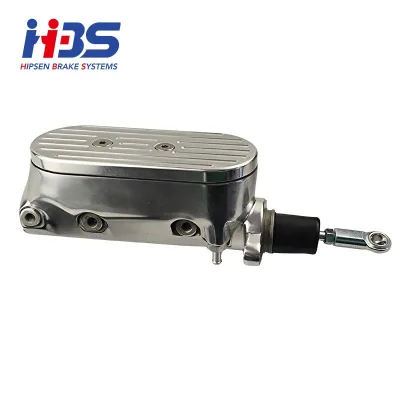


Heavy Duty Truck Power Brake Booster 44610-E0020
$25.00 - $30.00
MOQ: 20 Pieces
Wuhan Yuanyumu Automobile Industry Import and Export Co., Ltd

$108.00 - $130.00
MOQ: 1 Pieces




Comprehensive Sourcing Guide
Electric Hydraulic Brake Booster Sourcing Guide
Sourcing electric hydraulic brake boosters requires a careful balance between automotive component standards and industrial hydraulic system specifications. The market presents a diverse array of products that often blur the lines between vehicle-specific replacement parts and general-purpose industrial actuators. Buyers must first distinguish between components designed for commercial vehicle braking systems and those intended for heavy machinery or metallurgical applications. This distinction is critical because the engineering tolerances, pressure ratings, and control interfaces differ significantly between these domains. A component listed for a commercial vehicle may not be suitable for an industrial setting, and vice versa, leading to potential operational failures if the application context is not rigorously defined.
The procurement process is further complicated by the variety of configurations available, such as integrated power master pumps, motor assemblies, and brake boosters with master cylinders. These integrated units offer convenience but require precise matching of electrical and hydraulic parameters. Buyers should focus on verifying the specific model numbers and reference codes provided by suppliers, as these identifiers often link to original equipment manufacturer (OEM) specifications. Understanding the exact configuration required for your machinery or vehicle fleet is the foundational step in preventing costly mismatches and ensuring that the sourced components integrate seamlessly with existing systems.
Product Scope and Observed Listing Signals
Current market listings reveal a wide price range, typically spanning from low-cost individual units to high-value industrial assemblies. This variance reflects differences in material quality, brand reputation, and technical complexity. Observed minimum order quantities (MOQs) generally start at one set, indicating that suppliers are flexible for initial testing or small-scale repairs. However, buyers should be aware that pricing and terms can shift significantly based on volume commitments. The presence of both "New" condition items and various brand names, including specific automotive brands and neutral packaging options, suggests a market that serves both direct replacement needs and aftermarket distribution channels.
Geographic origins are predominantly concentrated in China, with specific mentions of Zhejiang and Shandong provinces. These regions are known for their manufacturing capabilities in both automotive parts and industrial hydraulic equipment. The observed product attributes include materials such as stainless steel, which suggests durability and resistance to corrosion, a key factor for components exposed to harsh environments. Colors listed, such as black, silver, golden, and brown, are largely aesthetic and do not impact performance, but they may indicate different product lines or customization options. Buyers should prioritize technical specifications over cosmetic variations when evaluating listings.
Technical Specifications to Verify
Verifying the technical specifications is paramount when sourcing electric hydraulic brake boosters. Key parameters include the working pressure, which can range from 150 bar to 150 MPa depending on the application. It is crucial to confirm the exact pressure rating required for your system, as exceeding or underutilizing the pressure capacity can lead to system failure. Additionally, the motor specifications, such as voltage (110V, 220V, 380V) and frequency (50Hz, 60Hz), must match your local power infrastructure. Mismatched electrical requirements can result in immediate damage to the motor or inefficient operation.
The control type and power source are also critical verification points. Some units operate via remote handles or cable remote controls, while others may require more sophisticated electronic interfaces. The power source is typically hydraulic oil, but the specific type and viscosity requirements should be confirmed with the supplier. Furthermore, the inclusion of components such as pressure regulating valves (external or internal) and wire lengths (e.g., 3m) affects the installation complexity and spatial requirements. Buyers should request detailed technical drawings or datasheets to ensure that the physical dimensions and connection points align with their existing infrastructure.
Compliance and Safety Documentation
Compliance with international standards is a non-negotiable aspect of sourcing industrial and automotive components. Many suppliers list certifications such as CE and ISO, which indicate adherence to European safety and quality management standards. However, buyers must verify the validity and scope of these certifications, as they may apply to the manufacturing process rather than the specific product model. For automotive applications, additional certifications related to vehicle safety and emissions may be required, depending on the target market. It is essential to request copies of these certificates and cross-reference them with the product model numbers to ensure authenticity.
Safety documentation should also include detailed operating manuals and maintenance guidelines. These documents provide critical information on installation procedures, pressure testing, and troubleshooting. For hydraulic systems, understanding the safety protocols for handling high-pressure oil and electrical components is vital to prevent accidents. Buyers should ensure that the supplier provides comprehensive documentation in English or their preferred language. Additionally, any specific warnings or limitations regarding the product's usage, such as maximum working temperatures or environmental conditions, should be clearly stated in the product description or accompanying literature.
Cost Drivers and Commercial Terms
Several factors influence the total cost of ownership for electric hydraulic brake boosters. The material composition, such as the use of stainless steel, can increase the initial purchase price but may offer long-term savings through reduced maintenance and replacement costs. Brand name recognition also plays a role, with branded components often commanding a premium over neutral or generic alternatives. However, the performance and reliability of neutral packages can be comparable to branded items, making them a viable option for cost-conscious buyers who prioritize technical specifications over brand loyalty.
Commercial terms, including payment methods, shipping costs, and warranty conditions, significantly impact the overall procurement budget. Most suppliers offer a one-year warranty, which provides a baseline level of protection against manufacturing defects. Buyers should clarify the terms of this warranty, including what is covered and the process for claiming repairs or replacements. Additionally, packaging methods, such as standard export wooden packing or carton palletization, affect shipping costs and the risk of damage during transit. Negotiating favorable terms for bulk orders or long-term contracts can lead to substantial savings and more predictable supply chain operations.
Supplier Qualification and Quality Control
Evaluating supplier qualifications is essential to ensure the reliability of the sourced components. Buyers should assess the supplier's manufacturing capabilities, quality control processes, and track record in the industry. Suppliers located in established manufacturing hubs like Zhejiang and Shandong often have access to a robust supply chain and skilled labor force. However, buyers should conduct due diligence to verify the supplier's legitimacy and financial stability. Requesting references from previous clients or checking online reviews can provide insights into the supplier's reputation and service quality.
Quality control measures should be clearly defined and agreed upon before placing an order. This includes specifications for incoming material inspections, in-process quality checks, and final product testing. Buyers may consider implementing third-party inspection services to verify that the delivered goods meet the agreed-upon specifications. For critical applications, requesting sample units for testing before committing to a larger order can help identify potential issues early in the procurement process. Establishing a clear communication channel with the supplier for addressing quality concerns is also crucial for maintaining a successful business relationship.
Long-Term Procurement Checks
Establishing a long-term procurement strategy involves regular reviews of supplier performance and product quality. Buyers should monitor key performance indicators such as delivery times, defect rates, and responsiveness to issues. Consistent performance from suppliers allows for more accurate planning and inventory management. Additionally, staying informed about industry trends and technological advancements can help buyers identify opportunities for upgrading their equipment or sourcing more efficient components. Regularly updating your supplier base and negotiating new terms can ensure that you remain competitive and cost-effective.
Continuous improvement in the procurement process also involves fostering strong relationships with suppliers. Open communication and collaboration can lead to better product development, customized solutions, and preferential treatment during peak demand periods. Buyers should also consider the sustainability practices of their suppliers, as environmental and social responsibility are increasingly important factors in B2B transactions. By prioritizing ethical sourcing and sustainable practices, buyers can enhance their brand reputation and contribute to a more resilient supply chain. Regular audits and feedback loops with suppliers can help drive continuous improvement and ensure alignment with your company's values and goals.
FAQs
What is the warranty period for this brake booster?
The product comes with a 1-year warranty to ensure reliability during operation. This coverage applies to the Power Master Pump and Motor assembly included in the unit. Buyers should verify specific terms based on their purchase agreement.
Which certifications does the brake booster hold?
The product holds CE and ISO certifications to meet international safety and quality standards. These documents verify compliance for use in automotive and industrial applications. Buyers can request copies of these certificates during the sourcing process.
Can the product be customized for specific needs?
Yes, customization is available to meet unique operational requirements. Buyers can request modifications to the standard size or specific component configurations. This flexibility allows the product to fit various commercial vehicle models effectively.
What is the maximum working pressure of the pump?
The maximum working pressure is 150 bar for the hydraulic system. This rating ensures safe operation under standard industrial conditions. Users must adhere to these limits to prevent equipment failure or safety hazards.
Where is the product manufactured?
The product originates from Zhejiang, China, with some variants from Yantai, Shandong. These locations are known for producing high-quality automotive and industrial components. Buyers can verify the specific origin based on the batch number provided.
What is the minimum order quantity for this item?
The minimum order quantity is 1 set, allowing for flexible purchasing options. This low threshold supports small-scale repairs or initial testing phases. Bulk orders may offer different pricing structures depending on the supplier.
How is the product packaged for shipping?
The product is packed in standard export wooden crates or cartons on pallets. This packaging protects the unit during international transit and handling. The dimensions are designed to optimize container space while ensuring safety.